Streatham Park estate furniture removals guide
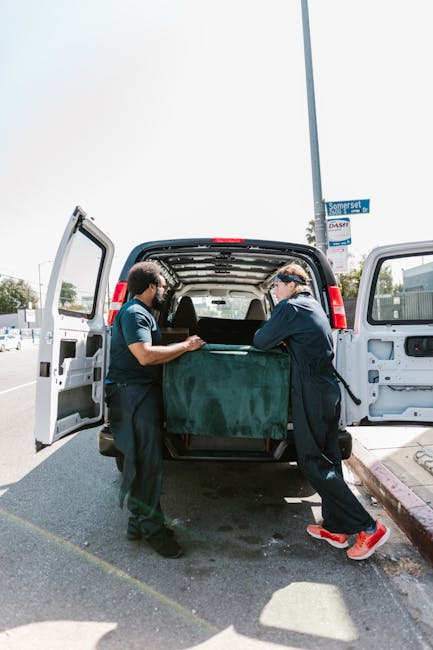
Moving furniture in Streatham Park can look straightforward on paper, then suddenly feel like a puzzle with heavy corners, awkward doorways, narrow hallways, and one sofa that seems to have become twice its size overnight. This Streatham Park estate furniture removals guide is here to make the process calmer, safer, and far more organised. Whether you are moving a flat, a house, or just a few valuable pieces, the right approach saves time, reduces damage, and makes the day feel manageable rather than chaotic.
The big idea is simple: plan the move around the furniture, not the other way round. That means understanding access, measuring properly, protecting surfaces, and knowing when a standard lift-and-carry job needs a more thoughtful removals plan. Let's face it, furniture is often the most expensive and awkward part of a move. If you get this bit right, the rest tends to fall into place.
This guide covers how estate furniture removals work, who they suit, the usual mistakes people make, and the practical steps that help everything run smoothly. There are also checklists, comparisons, and a realistic example, because theory is fine, but the day itself is where the rubber meets the road.
Why Streatham Park estate furniture removals guide Matters
Estate furniture removals are not just about shifting a few chairs and a dining table. In Streatham Park, the real challenge is often the combination of older property layouts, shared access points, busy roads, and the simple fact that many homes hold more furniture than people first remember. A removals plan that works for a modern open-plan flat can fall apart in a classic terrace or a maisonette with tight stairs. That is why a proper guide matters.
Furniture is also where hidden problems show up. A wardrobe might not pass through the landing. A bed frame may need partial dismantling. A bookcase can be heavier than expected once all the shelves are still full, and yes, people do forget the books. All of this affects timing, labour, vehicle size, and the level of protection needed for floors, walls, and door frames.
There is also a trust issue here. When furniture is sentimental or expensive, you want the move handled with care, not rushed. A family dining table, inherited sideboard, or well-used sofa often carries more than monetary value. So the guide is not only about logistics. It is about protecting what matters while reducing stress on move day.
Practical takeaway: the better you understand access, measurements, and handling needs before the move, the less likely you are to face delays, damage, or last-minute panic.
To be fair, many moving problems are preventable. Not all of them, but enough to make preparation worth every minute.
How Streatham Park estate furniture removals guide Works
Good furniture removals follow a sequence. First comes the survey or planning call. Then the furniture list, access details, packing preparation, and finally the move itself. For estate moves, the workflow often has a little more structure because there may be multiple rooms, mixed furniture types, and items that need separate handling.
Here is the practical version of how it usually works:
- Review the furniture inventory. Write down the larger items first: beds, wardrobes, sofas, tables, cabinets, and anything fragile or awkward.
- Check access at both addresses. Measure doorways, hallways, stair turns, lifts, and parking proximity. A five-minute tape measure job can save an afternoon of trouble.
- Decide what will be dismantled. Flat-pack furniture often goes easily, but solid pieces, beds, and large wardrobes may need careful dismantling.
- Plan protection and packing. Use covers, blankets, wrap, and corner protection where needed.
- Schedule loading in the right order. Larger and heavier items usually go first into the vehicle, with fragile pieces secured around them.
- Check delivery conditions. If parking, loading bays, or time windows are restricted, build that into the plan early.
The useful thing about this process is that it reveals problems before moving day. For example, if a wardrobe cannot turn at the top of the stairs, you can dismantle it calmly at home instead of improvising with a screwdriver and crossed fingers.
A well-run furniture move also balances speed with care. Too fast and things get damaged. Too slow and the costs creep up. The sweet spot is a methodical pace that keeps everything protected while avoiding wasted effort.
Key Benefits and Practical Advantages
There are some obvious benefits to organised furniture removals, but a few less obvious ones are worth spelling out too. The first is obvious: fewer scrapes, dents, and broken fittings. The second is less visible but just as important: less mental load on the day. When the plan is clear, people stop hovering in the hallway wondering what comes next.
Here are the main practical advantages:
- Less risk of damage: furniture is easier to protect when it is measured, wrapped, and moved in a planned sequence.
- Better use of time: a structured move reduces faffing about with pieces that will not fit through doors.
- Lower stress for families and landlords: everyone knows what is being moved, what is staying, and what needs extra care.
- More efficient transport: the right vehicle and loading order reduce wasted journeys and awkward reshuffling.
- Cleaner property handovers: especially useful for estate clearances, probate situations, and end-of-tenancy moves.
There is also a practical financial benefit. Even without quoting exact prices, it is safe to say that proper preparation often reduces avoidable labour time and reduces the chance of repair costs later. A chipped door frame or damaged leg on a cabinet can be a very expensive shortcut. Nobody wants that kind of surprise.
And a small but useful point: a more organised furniture move tends to leave both properties tidier. That matters if you are trying to hand back a tenancy, prepare a home for sale, or simply move into a space that feels settled from day one.
Who This Is For and When It Makes Sense
This guide is useful for anyone dealing with furniture-heavy moving work in Streatham Park, but it is especially relevant if your move has some complexity. Not every relocation needs the same level of planning, and truth be told, some do much better with a lighter touch. Others absolutely do not.
You will likely benefit if you are:
- moving from or into a family home with larger furniture pieces
- handling a probate or estate clearance where items need sorting, removal, or redistribution
- relocating from a flat with stairs, narrow landings, or limited parking
- moving valuable, antique, or sentimental furniture
- trying to minimise disruption during a same-day move
- working to a landlord, agent, or solicitor deadline
It also makes sense when furniture cannot simply be picked up and carried away without planning. A heavy oak table, for example, might need protective wrapping and two people with a sensible carry route. A modular sofa may fit through a doorway if one arm is removed first. These are small decisions, but they change the whole day.
Ask yourself: do you want a move that is merely possible, or one that feels controlled? The difference is usually preparation. That is the honest answer.
Step-by-Step Guidance
Below is a practical route through the process. It is simple, but not simplistic. Most smooth furniture removals are built from a few clear steps done properly.
1. Make a room-by-room inventory
Start with each room separately. List large items first, then awkward items, then fragile or sentimental pieces. If it helps, take photos. That little habit makes planning easier and also avoids the classic "I forgot about that bookshelf" moment.
2. Measure everything that matters
Measure the height, width, and depth of the furniture, but also measure door openings, stair turns, lift sizes, and hallway pinch points. The route is just as important as the item itself. In many homes, the issue is not the sofa. It is the corner halfway up the stairs.
3. Decide what needs dismantling
Not all furniture should be dismantled, and not all dismantling saves time. Some pieces are sturdier when left intact. Others, like bed frames and wardrobes, are far safer in sections. Use judgment here, not habit.
4. Protect surfaces before moving begins
Flooring, bannisters, door frames, and corners need attention before the first heavy item moves. Blankets, covers, and wraps are not glamorous, but they do the job. One scuffed wall can spoil an otherwise neat move.
5. Pack loose fittings separately
Keep screws, bolts, shelf pegs, and cable ties in labelled bags. Put them in a box with the matching item, not in a random kitchen drawer that no one remembers later. That is how furniture ends up looking like a mystery project on the other side.
6. Load in a sensible order
Heavy and sturdy items should usually be loaded first, then protected with softer items around them where suitable. Fragile pieces need secure placement so they do not slide. The aim is stability, not just fitting everything in.
7. Check the delivery side before unloading
It sounds obvious, but people forget. Clear the route, open doors, confirm room labels, and decide where each item will go. The unloading process should be deliberate, otherwise every piece lands in the nearest safe space and then has to be moved again. A bit frustrating, that.
8. Do a final walk-through
At the end, check for forgotten items, fittings, or damage. A quick final scan of cupboards, lofts, and under beds can save a second trip. People leave surprisingly important things behind when the day gets busy.
Expert Tips for Better Results
After enough moves, a pattern becomes clear: the best results come from small, practical habits, not dramatic heroics. Here are the ones that genuinely help.
- Photograph complex furniture before dismantling. This is especially useful for beds, modular shelving, and anything with hidden fixings.
- Label furniture by room, not just by item. A label like "bedroom 2" is much more useful than "chair 4".
- Keep one essentials box separate. Tools, tape, chargers, tea, and a kettle if you are sensible. Honestly, the kettle often becomes the hero of the day.
- Use gloves with grip. They improve control and reduce the chance of dropped items, especially on polished surfaces.
- Allow more time for stairs than you think. Stairs always take longer. Always.
- Protect corners and thresholds early. Damage usually happens at transitions, not on the straight parts.
One useful local observation: in residential streets, parking and access can be the difference between a smooth loading window and a frustrating delay. If the vehicle has to be parked further away than expected, the team will spend more time on the carry route, which can affect the whole schedule. A small detail, yes. But a costly one if ignored.
Also, do not underestimate humidity, heat, or a rainy London afternoon. Damp cardboard, slippery steps, and tired arms make a poor combination. You do not need perfect weather; you need a plan that still works when the day is a bit awkward.
Common Mistakes to Avoid
Most furniture move problems are not dramatic disasters. They are smaller mistakes that pile up. The good news is they are avoidable once you know what to watch for.
- Not measuring the route. Furniture may fit the room but not the doorway or stair turn.
- Leaving dismantling until move day. That is a classic stress multiplier.
- Forgetting parking restrictions. Even a great plan can wobble if the vehicle cannot load close enough.
- Packing loose parts separately without labels. Small fixings disappear easily.
- Overfilling boxes with heavy bits and pieces. That turns a manageable carry into a strained one.
- Assuming every item needs the same handling. A sofa, a mirror, and a filing cabinet are all very different jobs.
- Ignoring the order of unloading. If the new property is not prepared, items end up shuffled around twice.
One subtle mistake is emotional rather than physical: trying to do too much in a hurry because you just want it over with. Fair enough, moving day is tiring. But rushed decisions usually create extra work. Slow is not always best, but deliberate usually is.
If you are dealing with estate contents rather than a standard home move, another common error is failing to separate what should be kept, donated, stored, or removed. That decision can be a big one, and it is better made in daylight than in a rushed hallway with a deadline breathing down your neck.
Tools, Resources and Recommendations
You do not need a warehouse full of kit to manage a furniture move well. A small set of sensible tools is usually enough. The key is using the right ones in the right order.
| Tool or Material | What It Helps With | Practical Note |
|---|---|---|
| Measuring tape | Checking furniture and access dimensions | Essential before any dismantling or booking decisions |
| Furniture blankets | Protecting wooden, painted, or polished surfaces | Useful for wrapping corners and reducing scuffs |
| Stretch wrap | Keeping drawers shut and protecting surfaces | Best used carefully so it does not trap dirt against finishes |
| Labels and marker pens | Identifying parts, boxes, and room destinations | Saves time and prevents confusion later |
| Basic tool kit | Dismantling and reassembly | Keep screws and fittings bagged together |
| Protective gloves | Grip and hand safety | Useful for carrying heavier or awkward furniture |
For planning support, any reliable removals provider should be able to talk through access, timing, and handling requirements in plain English. That conversation matters more than shiny promises. You want practical advice, not vague confidence. A good team will ask about stairs, parking, fragile items, and special pieces early on.
One useful recommendation is to build a simple inventory document. Nothing fancy. Just a list with room names, item descriptions, and notes like "needs dismantling" or "two-person lift". It keeps everyone aligned. It also helps if multiple people are involved, which is often the case in estate situations.
Law, Compliance, Standards, or Best Practice
Furniture removals in the UK can touch on access, waste handling, health and safety, and responsible disposal, so it is worth staying sensible and careful. This section is about best practice rather than legal advice, because the exact requirements can vary depending on the property, the items involved, and how a move is organised.
For example, if furniture is being removed as part of an estate clearance or a property handover, there may be different expectations around what is retained, what is disposed of, and what needs to be recorded. If items are going to landfill, donation, or recycling, the handling should be done responsibly and in line with normal waste and environmental expectations. If a property has shared hallways or communal spaces, care should be taken to avoid obstruction or damage.
Health and safety best practice also matters. Heavy lifting should not be improvised if it creates risk. Team lifting, proper footwear, clear paths, and sensible pacing are simple but effective. A moved sofa is not worth a twisted back. Nobody wants that story.
Where antique, electrical, or high-value items are concerned, handling should be tailored to the item. If you are unsure about insurance, storage, or disposal responsibilities, it is wise to check the relevant arrangements early rather than assume everything can be sorted on the fly.
Bottom line: follow common-sense handling standards, document important decisions, and avoid shortcuts that could create disputes or damage later.
Options, Methods, or Comparison Table
Not every furniture move needs the same method. The right approach depends on volume, access, budget, urgency, and how delicate the items are. Here is a practical comparison of common options.
| Method | Best For | Pros | Trade-Offs |
|---|---|---|---|
| DIY move | Small loads, simple access, low-value furniture | Flexible and potentially cheaper | Higher physical effort, more risk of damage, more planning required |
| Hybrid move | Mixed furniture, some DIY packing, some help with lifting | Balanced cost and support | Needs clear coordination and good timing |
| Professional removals | Larger homes, bulky items, tight access, estate contents | Better handling, stronger planning, less stress | Usually costs more than doing everything yourself |
| Specialist handling | Antiques, pianos, unusual or high-value items | Tailored care and equipment | Can require more lead time and specific expertise |
If your move includes a mix of heavy household furniture and fragile pieces, a hybrid or professional approach usually makes the most sense. If the move is light and straightforward, DIY can work fine. The best option is the one that matches the real conditions, not the one that looks cheapest at first glance.
If you need related moving support beyond the furniture itself, it can help to look at wider planning for removals in London and compare it with a more targeted man and van London service depending on the size of the job. For local customers, understanding Streatham removals can also be useful when access and timing matter.
Case Study or Real-World Example
Here is a realistic example from a typical Streatham Park-style move. A family was clearing a three-bedroom property with a mix of modern flat-pack furniture, a heavy dining table, two wardrobes, and a large sofa that had clearly been in the house for years. Nothing dramatic, but enough to make the day feel busy.
The first useful step was measuring the hallway and stair turn. That revealed one wardrobe would not pass upright. So it was dismantled the day before, which removed the biggest risk straight away. The dining table was wrapped, its legs labelled, and the screws bagged together. The sofa needed blankets and an extra pair of hands because the access path through the front door was narrow and there was a slight kerb outside. Tiny detail. Big difference.
On move day, the team loaded the heaviest items first, then nested lighter pieces around them. The new property had a clearer access route, which made unloading much faster. Because the room destinations had been labelled in advance, furniture went into the correct spaces without the usual "can this go in the spare room for now?" conversation. That saved time and reduced the amount of shifting around later.
The most important part, though, was how calm the day felt. Not perfect, not magical, just calm enough. No one had to guess where parts went, nobody was hunting for bolts, and the property was left tidy. That is the sort of result people are actually after, even if they do not say it that way.
Practical Checklist
Use this checklist as a final run-through before furniture removals begin.
- Measure large furniture and all key access points
- Confirm whether any items need dismantling
- Label rooms, boxes, and loose fittings clearly
- Protect floors, corners, and door frames
- Check parking access and loading space
- Separate fragile, valuable, and sentimental pieces
- Keep tools, tape, and essentials easy to reach
- Prepare the destination rooms before unloading
- Plan what stays, what goes, and what needs storage
- Do a final sweep of cupboards, lofts, and under beds
Quick expert note: if a single item feels difficult, do not wait until the moving truck is at the door to think it through. That is how small problems get promoted into major ones.
Get a free quote today and see how much you can save.
Conclusion
A well-planned Streatham Park estate furniture removals guide is really about making good decisions early. Measure properly, plan the route, protect the furniture, and keep the day structured. That may not sound dramatic, but it works. And in removals, working smoothly is the whole point.
If you are dealing with a full estate, a family home, or a difficult set of bulky items, the right preparation can save time, reduce damage, and make the process feel far more human. You do not need perfection. You just need enough clarity to move forward with confidence.
And once the last chair is in place and the room is quiet again, you will be glad you gave the planning the attention it deserved. Small effort up front. Big relief later. Funny how that works.
Frequently Asked Questions
What is included in a Streatham Park estate furniture removals guide?
It usually includes planning advice, furniture handling steps, access checks, packing tips, risk reduction, and practical guidance for moving bulky or valuable items safely.
How far in advance should I plan furniture removals?
As early as possible, especially if the move involves large furniture, estate contents, or tight access. A little lead time gives you room to measure, label, and dismantle items properly.
Do I need to dismantle all large furniture before the move?
No. Some items are better left intact if they are stable and can fit through the route. Dismantle only when it improves safety, access, or handling.
What furniture is most likely to cause problems on move day?
Wardrobes, large sofas, dining tables, beds, and shelving units often create the most difficulty because of size, weight, or awkward shapes.
How do I protect furniture during removals?
Use blankets, wraps, corner protection, and careful loading. Keep drawers shut, remove loose parts, and make sure delicate surfaces do not rub against hard edges.
What should I measure before booking a furniture move?
Measure the largest items, doorways, stair turns, hallways, and any lift or parking restrictions. The route matters just as much as the furniture itself.
Is a man and van service enough for estate furniture?
Sometimes yes, especially for smaller or simpler moves. But larger estates or heavy furniture may need a fuller removals setup with more labour and protection.
How do I decide what to keep, store, or remove in an estate move?
Sort items room by room and group them into keep, store, donate, recycle, or remove. If possible, make those decisions before moving day so the process stays clear.
What are the most common mistakes people make with furniture removals?
The biggest ones are poor measuring, last-minute dismantling, forgotten parking issues, unlabeled fixings, and not preparing the destination room.
Are there special considerations for antique or sentimental furniture?
Yes. These pieces often need extra protection, slower handling, and sometimes specialist moving support. It is worth giving them more attention than standard furniture.
How can I make the move less stressful?
Keep the plan simple, start early, label everything, and do not overload the day. A calm, organised approach usually beats a rushed one every time.
What is the best next step after reading this guide?
Walk through your home, measure the awkward items, check access, and make a short inventory. Once you have that, you can decide whether DIY, hybrid, or professional help is the right fit.