SW16 removals tips for flats near Streatham Common station
Posted on 12/08/2026
If you are planning a move in SW16, especially from a flat near Streatham Common station, the details matter more than most people expect. A lift that is a bit too small, a stairwell with awkward turns, a tight parking bay, or a Saturday timetable that runs your day thin can turn a simple move into a small logistical drama. The good news? With the right SW16 removals tips for flats near Streatham Common station, you can keep the day calm, efficient, and far less stressful than the horror stories make it sound.
This guide is written for real London flat moves: the sort where you need to think about access, neighbours, building rules, boxes that are never quite as light as they looked on packing day, and the practical realities of moving near a busy rail station. You will find step-by-step advice, common mistakes, a useful checklist, and a few local observations that make planning easier. Let's face it, moving is rarely glamorous. But it can be organised.

Why SW16 removals tips for flats near Streatham Common station Matters
Flat removals are a different beast from house removals. In a house, you often have a front path, a wider hallway, and at least some flexibility with where the van can stop. In a flat near Streatham Common station, you may be dealing with shared entrances, limited kerbside space, controlled parking, upper floors, and neighbours coming and going at the worst possible moment. The moving team has to work around the building, not just the address.
That is why a little planning saves a lot of time. Good preparation reduces delays, prevents damage, and cuts the chance of last-minute costs creeping in. It also helps you choose the right type of moving support. A full-service team, a man and van Streatham service, or a more specialised flat removals Streatham option may suit different buildings and budgets. The right choice depends on access, volume, and how much lifting you want to avoid yourself.
Near the station, timing matters too. Trains, school runs, local traffic, and busy pavement conditions can all influence when it is easiest to load and unload. If you have ever tried to carry a mattress through a narrow communal hallway while somebody else is holding the door open with one foot and saying "sorry, nearly there", you will know exactly why this section matters.
Expert summary: The smoother flat moves near Streatham Common station are rarely the ones with the fanciest van. They are the ones where the access has been checked, the parking plan is realistic, and the boxes are packed so the first trip is not already a disaster.
If you are still comparing your moving options, it can help to browse the wider services overview before you decide how much support you really need.
How SW16 removals tips for flats near Streatham Common station Works
A flat move usually works best when you treat it like a chain of small tasks rather than one big event. The building layout, the street outside, the number of trips required, and the moving method all influence each other. Near Streatham Common station, that chain often starts before the removal van even arrives.
First comes the access check. Ask yourself: can a van stop close enough without blocking traffic or breaching building rules? Is there a lift? If so, how big is it, and will bulky furniture fit? Are there stair turns that will require dismantling items? These are not minor questions. They decide whether your move is straightforward or slightly chaotic.
Next comes the packing stage. For flats, the biggest wins come from reducing load complexity. Put books in small boxes, label fragile items clearly, and keep essentials separate so you do not spend the first night hunting for a kettle, phone charger, or the one pan you actually use.
Then there is the moving day rhythm. A good team will usually load systematically: larger items first, then grouped boxes, then last-minute loose bits. If there is a narrow entrance, they may need to stage items in a particular order to avoid blocking the communal area. That is one reason experienced local movers matter; they know how to work in the real world, not an ideal one.
If your move involves furniture that is awkward, heavy, or valuable, you may want to combine general flat moving support with a more specialist service. For example, a piano, large wardrobe, or awkward sofa can benefit from dedicated handling. The same is true if your move includes several rooms of bulky items and you need furniture removals Streatham support rather than a simple one-person lift.
And yes, the little things count. Door protection, carpet runners, and clear communication with neighbours all make a difference. The move feels calmer because everyone knows what is happening. That alone is worth a lot.
Key Benefits and Practical Advantages
There are a few very real benefits to approaching a flat move in SW16 properly. Some are obvious, some are the kind you only appreciate after the fact.
- Less damage risk: careful planning reduces scuffed walls, chipped furniture, and scratched floors.
- Faster loading and unloading: when boxes are packed by room and the route is clear, everything moves quicker.
- Lower stress: you are not guessing where the van can park or whether the sofa will fit through the stairwell.
- Better neighbour relations: a tidy, efficient move is far less disruptive in a shared building.
- More accurate quotes: once access and volume are understood, you get a clearer idea of cost.
- Improved safety: less heavy lifting in awkward positions means fewer accidents and less strain.
There is also a financial benefit, though it is often indirect. When access is organised and belongings are packed efficiently, the move usually takes fewer hours. That can matter if you are paying by the hour or using a smaller vehicle that needs multiple trips.
For many people, the biggest advantage is simply not having to improvise on the day. The difference between a planned move and an improvised one can be huge. One feels like an adult decision. The other feels like a game of musical chairs with a fridge.
Who This Is For and When It Makes Sense
This advice is especially useful if you live in or around a flat near Streatham Common station and any of the following apply:
- you are moving from an upper-floor flat with stairs only;
- your building has a lift, but it is small or shared;
- parking is limited outside your block;
- you have bulky furniture, fragile items, or lots of books;
- you are moving on a weekend or during a busy commute period;
- you need the move done quickly, perhaps between tenancies;
- you are a student, first-time renter, or someone moving solo and want a bit more support.
It also makes sense if you are comparing a smaller vehicle against a larger removal team. Sometimes a compact vehicle is enough, but not always. A single flat can look deceptively simple until you realise there are three wardrobes, two bikes, a fold-up desk, and a very determined sofa.
If you are moving with a tighter budget, a more flexible option such as man with a van Streatham can be practical for smaller loads. If you need something more comprehensive, or if the building access is awkward, you may want to look at a broader removal services Streatham approach instead.
This is also relevant if you are between homes and need a stopgap solution. A good moving plan sometimes includes storage, especially when completion dates and move-in dates do not line up neatly. That happens more often than people expect.
Step-by-Step Guidance
1. Start with a realistic inventory
Walk through each room and write down what is actually moving. Not what you think might move. Not the "maybe I should take this chair" pile. The real list. This helps with quotations, packing materials, and deciding whether the move can be done in one trip or needs more.
2. Check the building access properly
Measure doorways, stair widths, lift dimensions, and any awkward bends. If you live near Streatham Common station, also think about the street outside. Is there enough room for a van to wait safely? Is there a loading restriction? Even a short delay can ripple through the whole day.
3. Speak to your building or landlord early
If your block has move-in or move-out rules, book the slot as soon as you can. Some buildings prefer weekday moves, some ask for protection of communal areas, and some require advance notice. Getting this wrong is such an avoidable headache.
4. Book the right moving support
Choose a service that fits the size and complexity of the job. For a one-bedroom flat with easy access, a smaller team may be enough. For a larger flat, or one with stairs, wider furniture, or parking complications, it may be better to use a more complete removals Streatham service. If you need help choosing, a local mover can often explain the trade-offs clearly.
5. Pack by room and weight
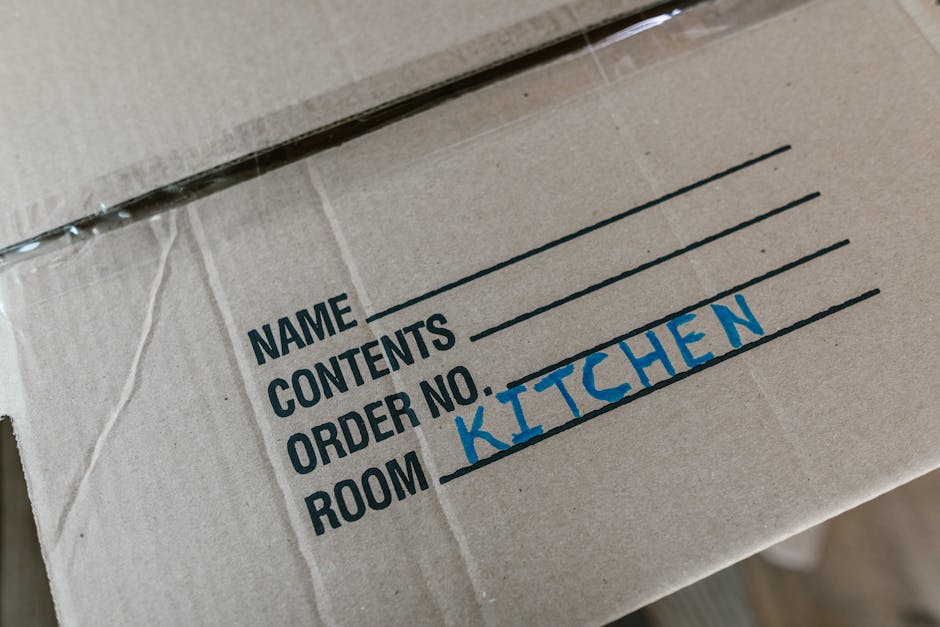
Put similar items together and keep heavy items in small boxes. Use clear labels: kitchen, books, bathroom, cables, bedding. The clearer the labels, the faster the unload. This is one of those boring bits that pays off beautifully on the day.
6. Protect fragile and awkward items
Wrap glass, mirrors, lamps, and electronics properly. Keep screws and fittings in sealed bags taped to the furniture they belong to. It sounds fussy. It is fussy. But it works.
7. Prepare an essentials bag
Keep documents, chargers, medication, toilet paper, tea bags, snacks, and a change of clothes with you. If you have children, pets, or a long wait between keys, this bag becomes gold dust.
8. Plan the unload carefully
When you arrive, direct boxes to the correct rooms straight away if possible. That way you avoid the dreaded "everything in the living room for now" pile that somehow stays for three days.
9. Do a quick final check
Check cupboards, windows, meters, balconies, and storage areas. Take meter readings where needed and make sure no keys are left behind. It is easy to forget a shelf or a coat hook when the van is waiting and someone has already started that "one last box" speech.
Expert Tips for Better Results
Here are the kinds of tips that tend to make a real difference, not just the glossy brochure version.
- Move the heaviest items first in your planning, not last. The sofa, bed base, and wardrobes usually dictate the whole strategy.
- Label sides as well as tops of boxes. When they are stacked, the label still shows.
- Keep a corridor clear. In flats, one blocked hallway can slow the whole move.
- Use colour or room labels. It sounds simple, but it saves a lot of wandering.
- Photograph tricky furniture before dismantling. Especially if you plan to rebuild it later without a mysterious spare screw.
- Think in routes, not just items. A chest of drawers that fits the lounge doorway might still fail on the stair turn.
- Ask about insurance. Not because you expect trouble, but because peace of mind is worth having.
If your flat contains larger or more delicate pieces, it can also help to read about insurance and safety before moving day. That way you know what level of cover and handling to expect.
One small but useful observation: moving day is rarely ruined by the biggest obstacle. It is usually a collection of tiny ones. A box packed too heavy, a lift booked by someone else, a van that cannot quite stop where expected. Sort the tiny things and the day often behaves itself.
Common Mistakes to Avoid
Plenty of flat moves go off track for reasons that are entirely avoidable. Here are the classics.
- Underestimating parking and access. The van does not magically squeeze itself into a bad space.
- Packing heavy boxes with no weight control. A box of books should never feel like a sack of bricks.
- Leaving disassembly until the morning of the move. This usually ends in tools, stress, and a slightly wobbly bedside table.
- Not checking lift size. A lift can exist and still not solve your problem.
- Forgetting building rules or neighbour notices. Shared living means shared sensitivity.
- Not reserving enough time. Rushing creates mistakes, and mistakes create delays.
- Assuming a cheap service is automatically good value. Price matters, but so does efficiency and care.
There is also a subtle one: overpacking your own energy. People often try to do too much in one day and end up exhausted before the van is half loaded. Be honest with yourself. If the move is physically demanding, use help. No medal is awarded for carrying a wardrobe down three flights alone.
Tools, Resources and Recommendations
You do not need a mountain of specialist kit, but a few simple tools make flat removals smoother.
- Strong cardboard boxes in mixed sizes, especially smaller ones for books and heavy kitchen items.
- Packing tape and tape gun for faster sealing.
- Bubble wrap, paper, or soft bedding for fragile items.
- Marker pens and labels for clear room marking.
- Furniture blankets or covers to protect finishes and communal areas.
- Basic tools for dismantling beds, tables, and shelving.
- Zip bags for screws, plugs, and small fittings.
For people who prefer not to source and pack everything themselves, professional packing and boxes Streatham support can be a sensible add-on. It saves time and can reduce breakages if you are short on bandwidth. It is also a relief when you are juggling work, children, or a completion timeline that has moved again. Because of course it has.
If you are moving out of a flat near the station and storage may be needed temporarily, it is worth considering storage Streatham as part of the plan. Even short-term storage can take the pressure off when dates do not align cleanly.
Law, Compliance, Standards, or Best Practice
For a standard flat move, you do not usually need to worry about complicated legal procedures, but there are some practical compliance and best-practice points worth respecting in the UK.
First, parking and loading should be handled lawfully and sensibly. If a van stops in a restricted bay, on a yellow line, or in a way that blocks access, the move can become much more expensive than expected. Near busy streets and station areas, that risk is real. Good movers plan for it rather than hoping for the best.
Second, shared buildings often have rules about moving times, lift use, floor protection, and noise. These are not just polite suggestions; they are part of being a decent neighbour and avoiding disputes. If you live in a managed block, check the building handbook or speak to the managing agent before moving day.
Third, safety matters. Heavy lifting should be done with sensible technique and the right number of people. If an item is too awkward to move safely, dismantling it or using specialist handling is the better choice. That goes double for valuable or very heavy pieces.
Reputable removal firms should also be clear about terms, payment, and any booking conditions. If you are comparing providers, it is worth reading their terms and conditions and understanding what is included. If you want an overview of how a company presents its wider standards, you can also review the about us page and the health and safety policy before booking.
These details sound dull. They are dull. But they prevent avoidable stress, and that is what really counts.
Options, Methods, or Comparison Table
Different flat moves call for different approaches. Here is a simple comparison to help you think it through.
| Option | Best for | Strengths | Trade-offs |
|---|---|---|---|
| Man and van | Small to medium flat moves with straightforward access | Flexible, practical, usually well suited to lighter loads | May not suit very bulky or complex moves |
| Full removal team | Larger flats, heavy furniture, or awkward access | More hands, faster loading, better for challenging buildings | Often costlier than a smaller vehicle-only setup |
| Same-day removals | Urgent moves, short-notice changes, or plan disruptions | Quick response, useful when timing is tight | Less room for leisurely packing and planning |
| Storage plus move | When keys, dates, or refurbishments do not align | Reduces pressure and creates flexibility | Requires extra coordination and budgeting |
If you are trying to keep costs sensible, a smaller vehicle can be a smart choice. If you are trying to protect your time and your back, a fuller team may actually be better value. It depends on what you are moving and how awkward the building is. There is no prize for guessing.
For urgent situations, the same day removals Streatham option can be helpful when plans change suddenly, though it works best when the load is already well organised.
Case Study or Real-World Example
Here is a realistic example based on the sort of move people often face near Streatham Common station.
A couple in a second-floor flat were moving out on a Friday afternoon. They had one sofa, a double bed, two wardrobes, several book boxes, a bike, and a kitchen full of oddly shaped items they had meant to declutter and did not. The building had a narrow stairwell, and the van could not sit directly outside for long because the road was busy.
Instead of treating the move as a single rush, they broke it into phases. The wardrobes were dismantled the day before. Boxes were grouped by room and weight. A parking space was checked early. Fragile items were wrapped separately and kept together. They also moved their essentials bag and documents first, which saved a lot of faffing later.
The practical result? The move took less time than they feared, and they avoided the worst bottleneck: trying to work out furniture on the stairs while the van was waiting and the clock was ticking. Nothing magical happened. They just prepared properly.
That is the real lesson. Good flat removals are rarely about brute force. They are about sequence, clarity, and avoiding unnecessary friction. Boring, yes. Effective, absolutely.
Practical Checklist
Use this checklist the week before and the day before your move.
- Confirm your moving date and time.
- Check lift access, stairwell width, and entry routes.
- Ask about parking or loading restrictions near the building.
- Tell your landlord, managing agent, or neighbours if needed.
- Pack heavy items into small boxes.
- Label every box by room and contents.
- Dismantle beds and bulky furniture where possible.
- Keep screws and fittings in labelled bags.
- Prepare a essentials bag for the first 24 hours.
- Protect floors, corners, and delicate furniture.
- Take meter readings and photos if helpful.
- Set aside keys, documents, and valuables.
- Arrange storage if your dates do not line up.
- Check your chosen movers' booking terms and cover.
If you want to reduce the amount of lifting on the day, it can also help to speak with a local team about removal van Streatham options and whether the vehicle size matches your flat and access conditions.
Conclusion
Moving from a flat near Streatham Common station does not have to be frantic. With the right planning, sensible packing, and a moving service that understands local access, you can make the day feel organised rather than overwhelming. The best SW16 removals tips for flats near Streatham Common station are often the simplest ones: measure properly, pack carefully, plan parking, and do not leave awkward furniture until the last minute.
What matters most is fit. Fit between your belongings and the building. Fit between the job and the vehicle. Fit between your timeline and the amount of help you actually need. When those things line up, everything else becomes easier. Not effortless, maybe, but manageable. And that is a very good place to be on moving day.
Get a free quote today and see how much you can save.
For a local move that feels steady, thoughtful, and well handled, it is worth speaking with a team that understands Streatham flats and the practical side of London removals. A calm move is still a move. Just a better one.